- Login
- Sign Up

The global electric vehicle reducer market is set for rapid expansion as EV adoption accelerates and technology advances. Reducers, which optimize motor speed and torque, are vital for efficiency and range.
With automakers pivoting to electric mobility, demand is soaring.
The market, valued at over $21 billion in 2025, is projected to grow at a CAGR of over 17% through 2035.
This growth underscores the integral role of reducers in the EV revolution.
The global electric vehicle reducer market is on a strong growth trajectory, driven by the rapid shift to electric mobility. 69%.
Rising EV adoption, government incentives, and drivetrain advances fuel this expansion.
Planetary reducers, prized for torque density and compactness, held over 52% of the market in 2024.
Asia-Pacific dominates, led by China, South Korea, and Japan.
The push for higher efficiency and longer driving range boosts demand for advanced designs.
Integration of reducers with e-axle systems enhances powertrain performance and is a key trend.
The rapid adoption of electric vehicles directly fuels demand for EV reducers. Government incentives and stricter emission regulations push automakers toward electrification.
Consumers increasingly prefer EVs for lower operating costs and environmental benefits. This surge in EV production requires efficient power transmission systems.
Key growth drivers include:
These factors collectively accelerate the need for advanced reducers that optimize motor output and extend vehicle range.

Technological advances revolutionise EV reducer design, boosting efficiency and performance.
Planetary gear systems deliver high torque density in compact packages. E-axle integration cuts weight and components, improving energy transmission.
Optimised gear profiles ensure quieter operation and longer life. Advanced composites and lightweight alloys reduce inertia and improve responsiveness.
Lubrication systems enhance thermal management and reliability. Sealing solutions prevent contamination and extend service intervals.
These advances increase vehicle range and efficiency while lowering costs. Mature technology will produce more efficient and compact reducers, supporting EV growth.
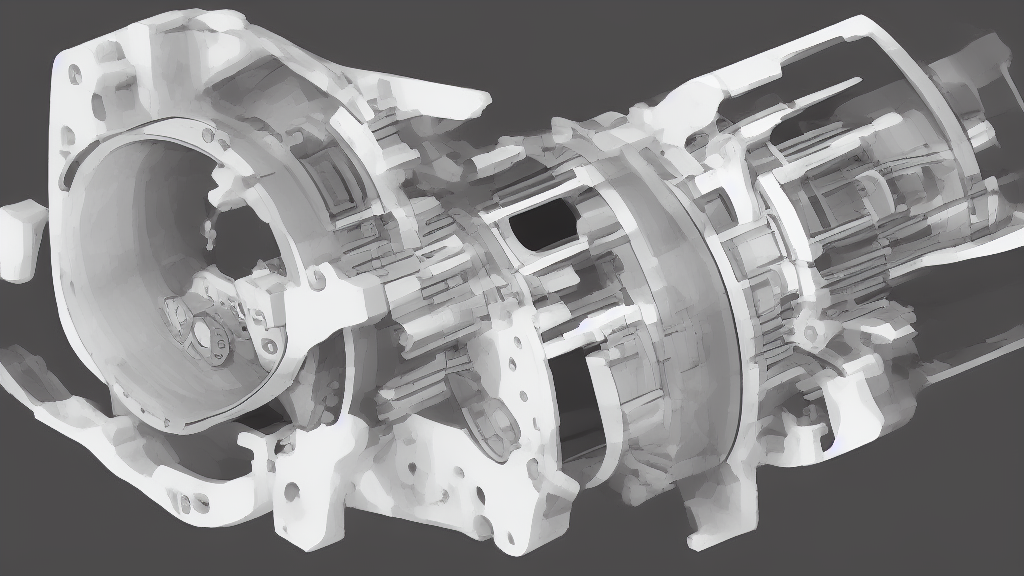
Asia-Pacific dominates the electric vehicle reducer market, with East Asia holding the largest revenue share due to robust EV manufacturing in China, South Korea, and Japan. These countries host major automakers and component suppliers, driving continuous demand.
The region accounted for over 50% of global revenue in 2024.
South Asia and the Pacific are emerging as the fastest-growing regional market.
India and Southeast Asia benefit from favorable government policies, rising EV adoption, and expanding production capabilities. This combination positions Asia-Pacific as both the largest and most dynamic market for EV reducers.
The EV reducer market is segmented by type and application, addressing diverse drivetrain needs. Key reducer types include:
By application, passenger cars hold the largest segment, driven by mass EV adoption. Commercial vehicles, including buses and trucks, are rapidly gaining as electrification expands. This segmentation highlights the varied engineering demands across vehicle classes.
The electric vehicle reducer market features major players such as BorgWarner, ZF Friedrichshafen, and Bosch, alongside specialized suppliers. These companies drive innovation through strategic initiatives to capture growing demand.
Key strategies include expanding production in Asia-Pacific, forming partnerships with EV manufacturers, and investing in R&D for lightweight, high-efficiency reducers. For instance, BorgWarner enhances e-axle integration, ZF focuses on modular platforms, and Bosch emphasises integrated e-drive systems.
Such moves position them to lead in the evolving EV landscape.
Electric vehicle reducer production faces significant supply chain disruptions and high raw material costs. These challenges intensify as demand for advanced planetary reducers grows.
Manufacturers must navigate volatile prices for rare earth magnets and precision components.
To overcome these constraints, companies are localizing production and investing in vertical integration.
Advanced simulation tools and additive manufacturing reduce prototyping expenses. Government incentives for domestic supply chains further alleviate cost pressures.
As production scales, economies of scale and material innovation will help drive down costs. With strategic investments, the industry can meet the surging EV demand while sustaining profitability.
The electric vehicle reducer market is on a strong growth trajectory. 33 billion by 2034.
51 billion in 2024. This expansion is driven by technological advances like e-axle systems that improve efficiency.
Planetary reducers remain the most popular type, offering high torque density in a compact form.
Regionally, South Asia and the Pacific will see the fastest growth.
This is driven by incentives and production expansion in India.
These trends underscore the integral role of reducers in the evolving electric mobility landscape.
The global electric vehicle reducer market is on a robust growth trajectory, propelled by surging EV adoption and ongoing technological innovations. These components enhance motor efficiency, torque delivery, and overall vehicle range, making them indispensable for next-generation electric drivetrains.
As the industry advances, reducers will remain central to achieving performance and sustainability goals. Their evolution in design and integration is key to realising the full potential of electric mobility, solidifying their integral role in the revolution.
The electric vehicle reducer market is poised for rapid expansion, with projections estimating growth at over 17% CAGR through 2035. As EV adoption accelerates worldwide, these drivetrain components are becoming indispensable for optimizing torque and efficiency.
Technological innovations like integrated e-axles are further transforming reducer design.
However, supply chain constraints pose challenges that require strategic solutions.
Industry players who prioritise R&D and partnerships will lead the market. For tailored gearbox solutions and expert advice, contact MTA Singapore today.