- Login
- Sign Up

Singapore’s industrial sector is the largest energy consumer, with electric motors powering most operations. Upgrading to energy-efficient motor solutions can significantly cut energy costs and reduce environmental impact.
This article explores the benefits of premium efficiency motors, how to select the right model for your plant, and practical steps to maximize savings. It also covers common challenges in Singapore’s humid climate and tools to assess performance, helping you make informed investment decisions.
Singapore’s industrial sector accounts for the largest share of national energy consumption. Within factories, electric motors often drive pumps, fans, and compressors, consuming up to 70% of all electricity used.
Upgrading to energy efficient motors directly reduces operational costs and aligns with NEA regulations under the Energy Conservation Act.
Additionally, premium efficiency motors maintain performance in Singapore’s humid environment, delivering consistent output with less heat generation.
This lowers maintenance needs and extends equipment lifespan. For facility managers, understanding these advantages is the foundation for building a sustainable, cost-effective motor strategy.
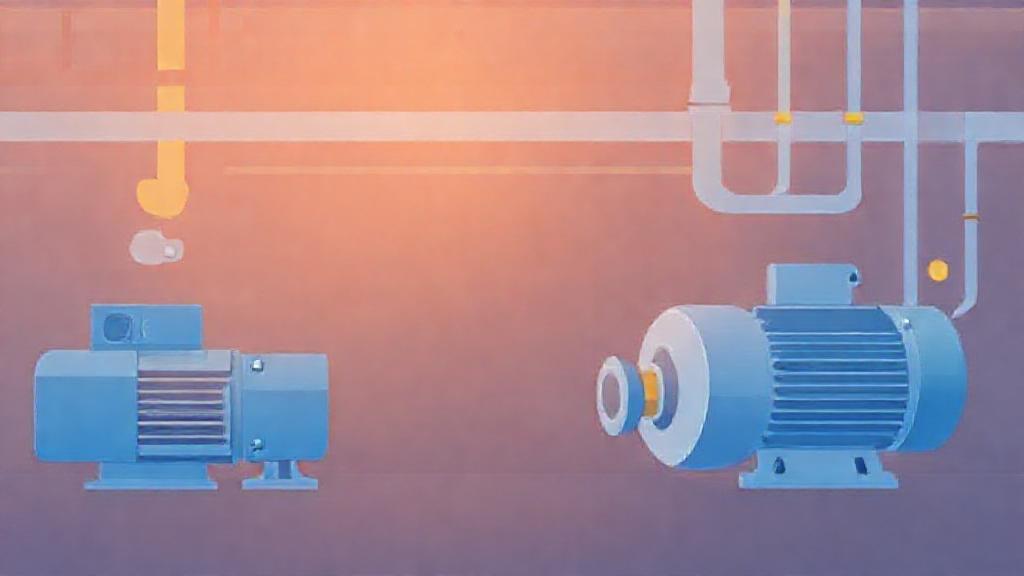
Upgrading to high efficiency electric motors in Singapore’s industrial sector delivers a range of compelling benefits. Key advantages include:
Collectively, these advantages result in lower operating expenses, enhanced competitiveness, and a positive environmental impact, making the switch to premium efficiency motors a strategic move for any facility.

Analyse your load profile and duty cycle for accurate specifications. Select motors with IE3 or IE4 efficiency for substantial energy savings.
Account for Singapore’s humid climate with proper insulation and corrosion resistance. Factor in total cost of ownership including maintenance, energy, and downtime.
Work with experienced suppliers for full compliance. Never choose based solely on initial cost; consider long-term savings and lifecycle costs.
This method delivers optimal performance, reduced downtime, and maximum returns.
Singapore’s high humidity considerably impacts electric motor efficiency and reliability. Moisture infiltration leads to insulation degradation, corrosion, and increased energy consumption. To overcome these challenges, industrial facilities can adopt targeted strategies.
These measures ensure consistent performance and reduced downtime, even in tropical conditions. By prioritising these solutions, facilities can achieve substantial energy savings and improved operational reliability.
Maximising energy savings from premium efficiency motors demands careful implementation. Follow these expert tips to optimise your system’s performance.
Implementing these strategies will help your facility achieve significant energy and cost reductions.
Evaluating electric motor performance requires the right equipment. Sophisticated tools reveal inefficiencies invisible to the naked eye. They provide data essential for energy-saving decisions.
Key tools for performance assessment include:
Using these instruments, facility teams can make targeted improvements and maximize returns on motor upgrades.
To ensure a smooth transition to energy-efficient motors, avoid these common mistakes.
To accurately measure ROI, track upfront costs against energy savings over time. Key performance indicators include energy consumption reduction, payback period, and total cost of ownership.
These metrics offer a comprehensive view of financial and operational benefits.
Several key trends are shaping the future of high efficiency motors in Singapore’s industrial sector:
These innovations help facilities achieve greater energy efficiency and compliance with evolving regulations.
Energy-efficient electric motors deliver tangible benefits for Singapore industrial facilities. They cut energy waste, comply with NEA standards, and boost your bottom line.
By selecting the right motor and leveraging expert tools, you can maximise ROI.
Don’t let humidity or outdated equipment hold you back.
Take action now to upgrade your motors and secure a sustainable, cost-efficient future. Partner with specialists to implement best practices and achieve lasting savings.