- Login
- Sign Up

As the world grapples with the complexities of climate change, a quiet revolution is underway, with high efficiency electric motors emerging as the unsung heroes of the industrial landscape, transforming the way industries operate and significantly reducing their carbon footprint.
Just as a masterful conductor orchestrates a symphony, these motors harmonize the delicate balance between energy consumption and system reliability, yielding a sweeter melody of sustainability and cost savings.
According to recent studies, the widespread adoption of high efficiency electric motors could lead to a staggering reduction in global energy consumption, with some estimates suggesting a decrease of up to 20% in industrial energy usage.
As industries continue to evolve and grow, the importance of these motors will only continue to escalate, much like a crescendo building towards a grand finale.
By leveraging advanced technologies and innovative designs, high efficiency electric motors are poised to play a pivotal role in shaping the future of various industries, from manufacturing and healthcare to transportation and beyond.
Electric motor systems are a crucial component of many industrial and commercial operations, consuming a significant amount of energy and contributing to overall costs.
Optimizing these systems can lead to substantial energy savings and reduced operational expenses, making it an attractive opportunity for businesses looking to improve their bottom line.
By implementing energy-efficient measures and technologies, companies can minimize their environmental impact while maximizing their profit margins.
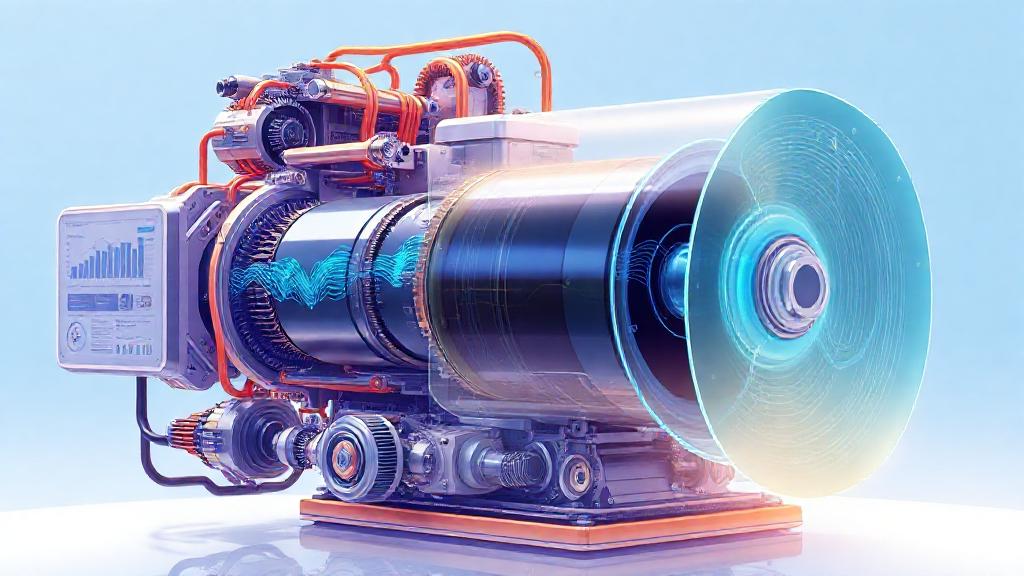
Electric motor efficiency affects mechanical output and system reliability in many applications, and understanding the intricacies of electric motor efficiency is crucial for optimizing system performance and minimizing downtime.
The efficiency of electric motors can make or break the entire system, and industries seek to unlock the full potential of their electric motors and ensure seamless system operation.
The efficiency of electric motors is influenced by various factors, including design and construction, operating conditions, and maintenance practices.
By understanding these factors, industries can develop targeted strategies to improve motor efficiency, such as using advanced materials, optimizing operating speeds, and implementing regular maintenance schedules.
Improvement strategies for electric motor efficiency also involve the adoption of newer technologies, such as variable speed drives and permanent magnet motors, which offer higher efficiency ratings compared to traditional motors.
Designing and implementing high-efficiency electric motors for industrial applications is a complex task that requires careful consideration of various factors, including the type of motor, materials used, and operating conditions.
The goal is to create a motor that can operate at optimal levels, minimizing energy losses and reducing the overall cost of ownership.
This can be achieved by using advanced materials, such as neodymium magnets and copper windings, which provide higher efficiency and longer lifespan.
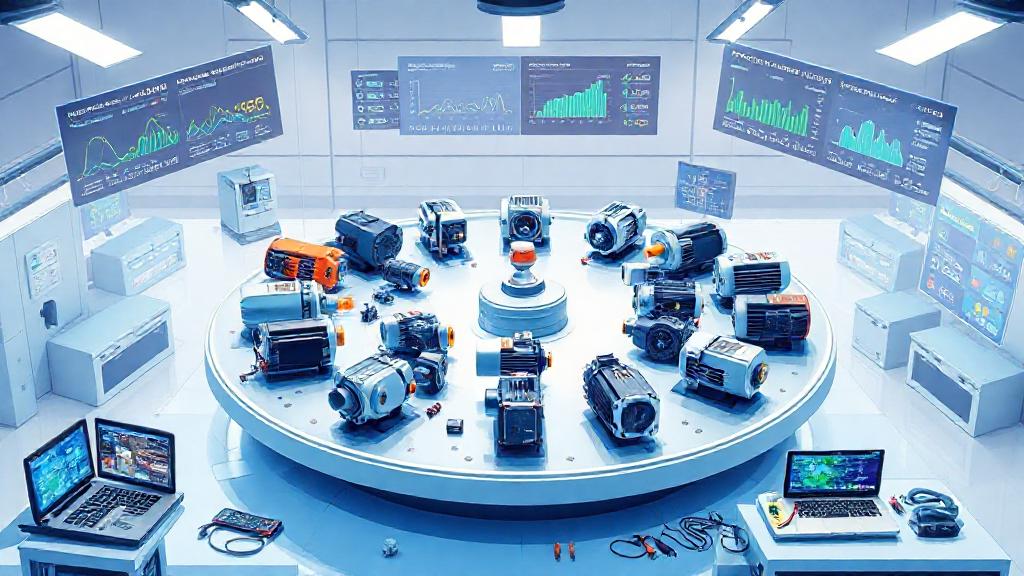
Electric motors are a crucial component in many modern devices, from household appliances to industrial machinery, and understanding their efficiency rates is essential for optimizing performance and reducing energy consumption.
There are several types of electric motors, including induction motors, synchronous motors, and brushless DC motors, each with its own unique characteristics and applications.
The efficiency of an electric motor depends on various factors, such as the type of motor, its power rating, and the operating conditions.
By leveraging innovative technologies, industries can significantly reduce their energy consumption.
Energy-efficient electric motor systems are crucial for reducing carbon footprint: they can significantly decrease energy consumption.
A major obstacle to adoption is the high upfront cost — a significant investment for many businesses.
Implementing energy-efficient technologies can lead to substantial long-term savings and increased productivity.
Contrary to popular belief, high-efficiency electric motors are not always a costly investment for businesses, as they can lead to significant long-term savings.
In fact, many companies assume that the initial cost outweighs the benefits, but this is not entirely true.
The reality is that these motors can pay for themselves over time.
The integration of high-efficiency electric motors across various industries has been pivotal in mitigating environmental degradation, primarily through reduced energy consumption and lower greenhouse gas emissions, thereby contributing to a more sustainable future.
Moreover, the socio-economic benefits of these motors are multifaceted, including decreased operational costs for businesses, which can lead to increased productivity and competitiveness in the global market.
The widespread adoption of high-efficiency electric motors also has the potential to create new job opportunities in the manufacturing and maintenance sectors, further stimulating local economies.
As we look to the future, the impact of high-efficiency electric motors on various industries will undoubtedly continue to grow, driven by the need for sustainable and reliable solutions.
With their ability to significantly reduce energy consumption and enhance system reliability, these motors are poised to play a vital role in shaping the industrial landscape of tomorrow.
As industries strive to balance productivity with environmental responsibility, the adoption of high-efficiency electric motors will likely become an essential step in achieving this goal, ultimately leading to a more sustainable and efficient future.
By embracing this technology, businesses can not only reduce their ecological footprint but also gain a competitive edge in an increasingly environmentally conscious market, where the hum of a high-efficiency electric motor becomes a beacon of innovation and progress.