- Login
- Sign Up

A chemical plant’s operations rely on the seamless harmony of its various components, with valves playing a crucial role as the conductors of fluid flow.
However, when these valves malfunction, the entire symphony comes to a grinding halt, resulting in costly downtime and potential safety hazards.
In fact, a single faulty valve can lead to losses of up to $10,000 per hour, making effective valve maintenance a pressing concern for plant managers.
As the chemical industry continues to evolve, implementing proactive maintenance strategies is no longer a luxury, but a necessity to minimize downtime and ensure the smooth operation of these complex facilities.
By adopting a proactive approach to valve maintenance, chemical plants can reduce the risk of unexpected failures and keep their operations in perfect harmony.
Proactive valve maintenance is crucial in chemical plants as it helps prevent unexpected downtime and ensures a smooth operation, ultimately leading to increased productivity and reduced costs.
A well-planned maintenance strategy can help identify potential valve issues before they become major problems, allowing for timely repairs or replacements.
Effective valve maintenance also helps to minimize the risk of accidents and environmental hazards.
The consequences of neglecting valve maintenance can be catastrophic, resulting in unplanned shutdowns, equipment damage, and even loss of life.
Here are some key insights:
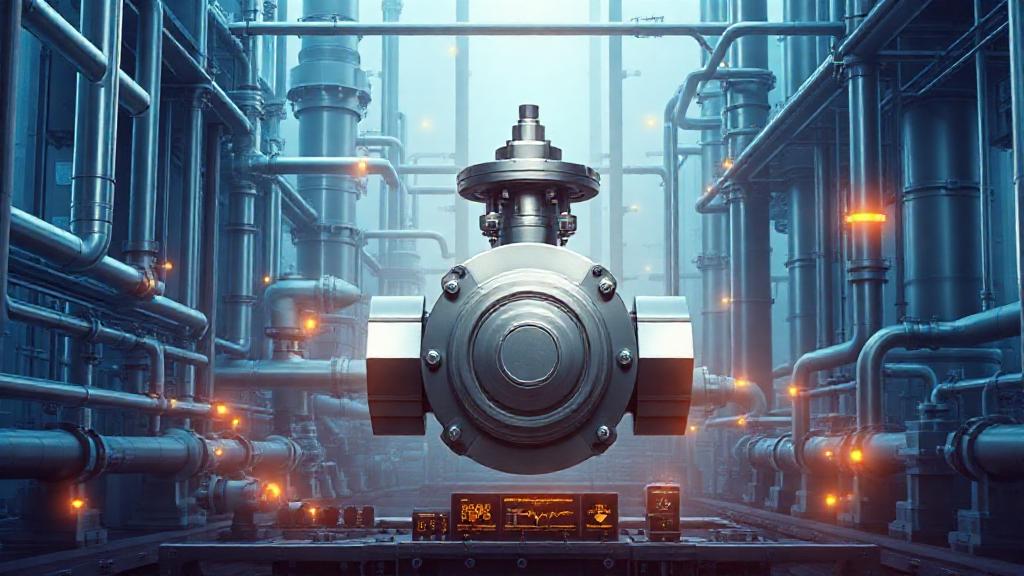
The valves in a chemical facility are exposed to harsh chemicals, extreme temperatures, and high pressures, which can cause wear and tear on the materials used to manufacture them.
Understanding the properties of various materials and their compatibility with different chemicals is crucial for optimizing valve performance.
By selecting durable materials, the risk of valve failure can be minimized and maintenance costs reduced.
Preventive maintenance is crucial in identifying potential valve issues before they become major problems, and it involves regularly inspecting and testing valves to detect any signs of wear or damage.
By catching these issues early, maintenance teams can replace or repair valves before they fail, preventing costly downtime and reducing the risk of accidents or environmental disasters.
Implementing a preventive maintenance schedule requires a thorough understanding of the valve systems and their operating conditions, as well as the use of advanced diagnostic tools and techniques.
The reliability of valve systems is crucial, as any mishap can lead to a range of problems, including decreased productivity, increased safety risks, and environmental hazards.
To mitigate these risks, chemical plants employ a range of valves, from ball valves to butterfly valves, each designed to navigate specific challenges, such as high-pressure or corrosive environments.
The selection of the right valve system is a meticulous process, involving a thorough analysis of the plant’s operational requirements, fluid characteristics, and regulatory compliance.
By investing in reliable valve systems, chemical plants can minimize downtime, reduce maintenance costs, and optimize their overall performance.
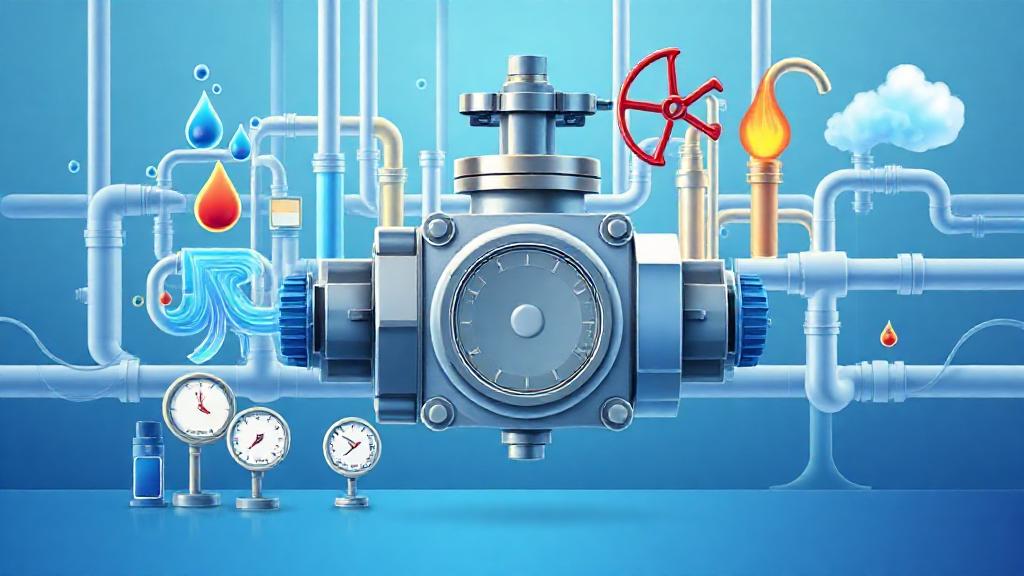
When it comes to choosing the right valve for a specific application, several factors must be considered, including the type of fluid, temperature, and pressure.
The valve size and material are crucial in ensuring compatibility and optimal performance.
For instance, valves used in high-temperature applications require materials that can withstand extreme heat, such as stainless steel or cast iron.
Regular system audits are crucial for maintaining valve efficiency and preventing unexpected failures.
Regular audits can help prevent valve failures, reduce downtime, and save costs in the long run, making them an essential part of any maintenance strategy.
A well-planned maintenance schedule can help reduce downtime and increase overall efficiency.
Maintenance schedules are created to ensure routine inspections — and part replacements are done on time: this is crucial for preventing equipment failure.
Effective maintenance scheduling can lead to significant cost savings and improved productivity.
Valve and actuator failure is often not due to mechanical stress, but rather contamination from debris and corrosion.
A simple and effective solution exists, as seen in the use of filtration systems in various industries, which have been shown to significantly reduce valve and actuator failure rates.
The integration of predictive diagnostics and condition monitoring sensors in valves is a crucial aspect of maintaining optimal performance, as it enables real-time monitoring of valve health and allows for proactive maintenance.
By leveraging advanced technologies such as machine learning and artificial intelligence, these sensors can detect potential issues before they occur, providing valuable insights into valve performance and enabling data-driven decision-making.
As the industry continues to evolve, the adoption of predictive diagnostics and condition monitoring sensors is expected to become increasingly widespread, driven by the need for greater efficiency, productivity, and competitiveness.
By implementing effective maintenance strategies, chemical plants can minimize the risk of valve failures, reduce maintenance costs, and optimize overall plant performance.
Looking ahead, the integration of advanced technologies, such as predictive maintenance and digital twins, is likely to play a crucial role in further enhancing valve maintenance practices, enabling plants to respond quickly to potential issues and stay ahead of the curve.
Ultimately, the key to successful valve maintenance lies in striking a balance between proactive and reactive measures, much like the delicate balance of pressure and flow that valves themselves help to regulate, underscoring the importance of careful planning and attention to detail in the pursuit of operational excellence.