- Login
- Sign Up

The world is undergoing a profound transformation in the energy landscape, with a shift towards renewable energy sources, smart grids, and intelligent power transmission systems.
The question on everyone’s mind is: can we effectively integrate these disparate elements to create a resilient, efficient, and sustainable energy ecosystem?
With renewable energy sources accounting for over 30% of global electricity generation, the need for intelligent power transmission systems has become increasingly pressing.
The integration of renewable energy sources into the power grid requires advanced power transmission systems to ensure efficient and reliable energy distribution.
As the world shifts towards a more sustainable energy mix, the development of smart grid technologies and high-voltage transmission lines becomes crucial.
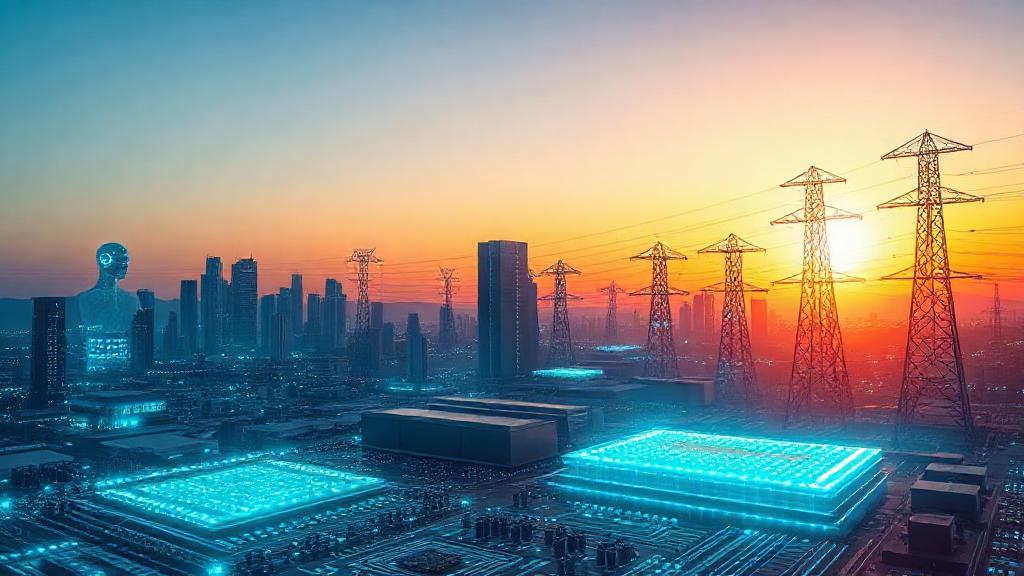
Imagine a house where the lights won’t turn on, or the air conditioning isn’t working, due to a power grid failure.
This scenario is a harsh reminder of the importance of a reliable and secure smart grid.
As we delve into the world of smart grids, we discover that they rely on complex systems to manage and distribute electricity.
Artificial intelligence (AI) plays a crucial role in enhancing the security and dependability of these systems, by detecting potential threats and optimizing energy distribution.
AI algorithms can analyze vast amounts of data to identify patterns and anomalies, allowing for swift action to be taken in case of a disruption.
In Singapore, a leading energy provider utilized real-time data analysis to optimize energy distribution, resulting in a 15% reduction in energy waste and a 20% increase in overall efficiency.
This was achieved through the implementation of advanced sensors and predictive maintenance algorithms, allowing for proactive identification and resolution of potential issues.
The company’s efforts not only reduced costs but also contributed to a more sustainable energy ecosystem.
By leveraging real-time data, the provider was able to make informed decisions, ensuring a reliable and efficient energy supply to its customers.
The seamless integration of solar energy generation and concentrated solar power plants into smart grids is akin to conducting a grand symphony, where each component plays a vital role in creating a harmonious and efficient energy ecosystem.
As the world shifts towards renewable energy sources, the importance of smart grids cannot be overstated, much like the backbone of a robust infrastructure, providing the necessary support and flexibility to accommodate the intermittent nature of solar energy.
Concentrated solar power plants, with their ability to store thermal energy, are like the reliable bass line, providing a steady beat that ensures a stable power supply, even when the sun dips below the horizon.
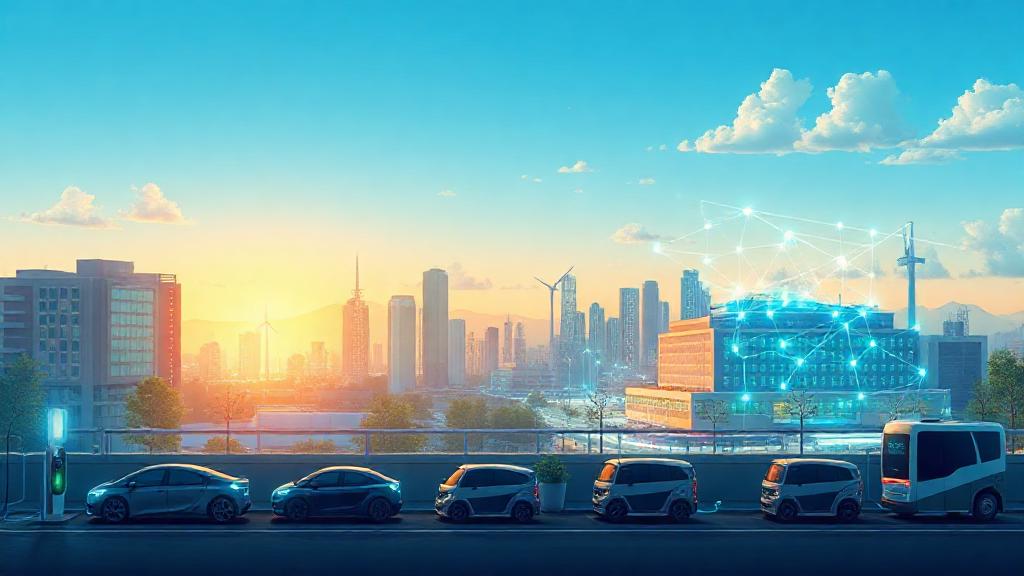
The integration of virtual power plants (VPPs) and electric vehicles (EVs) can significantly enhance grid stabilization and energy storage solutions.
By leveraging advanced technologies such as smart charging and vehicle-to-grid (V2G) systems, EVs can provide auxiliary power to the grid during peak demand periods, reducing the strain on traditional power plants.
Moreover, VPPs can optimize energy distribution by aggregating and managing decentralized energy sources, including renewable energy systems and energy storage devices.
Standardizing communication protocols is crucial for efficient smart grid operations.
Energy transmission and distribution infrastructure is crucial for modern society.
A complex system — with many moving parts: generators, transmission lines, and distribution networks.
Inverter-based generators and virtual synchronous generators can significantly improve the efficiency and reliability of this system.
Contrary to popular belief, traditional energy management systems are no longer sufficient for optimal energy dispatch and maintenance.
The notion that these systems can keep up with the complexities of modern energy grids is a misconception.
In reality, they often fall short in predicting energy demand and identifying potential maintenance issues.
The integration of smart grids and renewable energy resources is crucial for ensuring a reliable and efficient energy supply, as it enables the optimization of energy distribution and consumption, while also reducing dependence on fossil fuels and mitigating climate change.
This can be achieved through the implementation of advanced technologies, such as IoT sensors and AI-powered predictive analytics, which enable real-time monitoring and control of energy systems, allowing for the detection of potential faults and the optimization of energy flow.
As the world continues to transition towards a more sustainable and decentralized energy system, the development of smart grids and renewable energy resources integration strategies will play a vital role in ensuring a reliable and efficient energy supply.
The key to a sustainable energy future lies in smart grids and renewable energy integration.
As the world continues to shift towards a more sustainable and technologically advanced energy landscape, the implementation of intelligent power transmission systems will play a crucial role in unlocking the full potential of smart grids and renewable energy integration.
With the ability to optimize energy distribution, predict and prevent power outages, and seamlessly integrate renewable energy sources, these systems will be the backbone of a more efficient and resilient energy infrastructure.
Ultimately, the successful implementation of these systems will depend on the ability of stakeholders to work together to address the complex technical, economic, and social challenges that lie ahead, and to create a future where energy is clean, reliable, and accessible to all.
By doing so, we can create a brighter, more sustainable future, where energy is no longer a limitation, but a catalyst for growth and innovation.