- Login
- Sign Up

The world is shifting towards a greener future, with a growing demand for efficient power transmission solutions.
This demand is driven by the increasing adoption of renewable energy systems and electric vehicle charging infrastructure, which requires seamless power transmission to ensure a sustainable energy landscape.
The integration of renewable energy sources, such as solar and wind power, into the grid requires advanced power transmission technologies that can handle the variable output of these sources.
As the world continues to evolve, the development of innovative power transmission solutions will be crucial in enabling the widespread adoption of renewable energy systems and electric vehicles.
The integration of renewable energy sources and electric vehicles is revolutionising the way we think about power transmission, with a focus on efficiency, sustainability, and reliability.
Optimising power transmission has become a crucial aspect of this transition, enabling the widespread adoption of renewable energy systems and electric vehicles.
The future of our planet depends on our ability to harness and transmit energy in a sustainable manner.
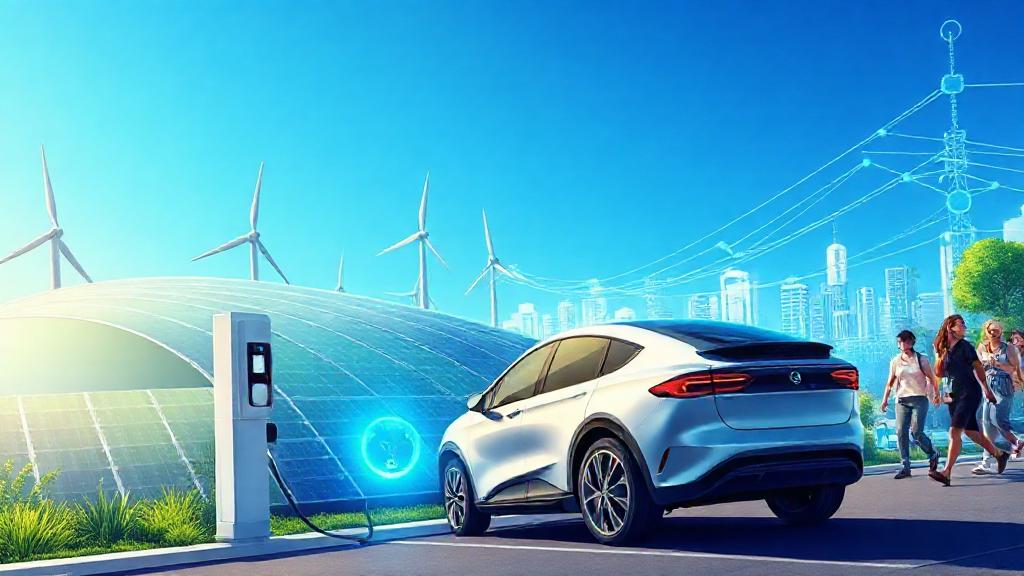
The rise of renewable energy sources like solar and wind power is making it possible to integrate electric vehicle charging infrastructure with sustainable energy solutions.
This can be achieved through the use of smart charging systems that optimise energy consumption and reduce strain on the grid.
By leveraging renewable energy, it is possible to minimise carbon footprint and contribute to a cleaner environment.
Many countries and companies are investing heavily in renewable energy and electric vehicle infrastructure.
Automated permitting can support the adoption of electric vehicles by streamlining the process of setting up charging stations.
The automated permitting process can reduce the time and cost associated with obtaining permits, allowing companies to focus on deploying more charging stations.
As a result, drivers can enjoy a more comprehensive and convenient charging network.
Automated permitting can help reduce the administrative burden on companies looking to deploy electric vehicle charging stations, enabling them to focus on the technical aspects of installation and maintenance.
The development of smart grid technologies is revolutionising the way energy is transmitted and distributed.
The integration of advanced technologies such as IoT sensors, AI, and blockchain is enabling real-time monitoring and control, allowing for predictive maintenance and fault detection.
The use of smart grid technologies can help reduce power outages and energy wastage.
The development of smart grid technologies is also driving the adoption of renewable energy sources, which can help reduce reliance on fossil fuels and mitigate the impact of climate change.
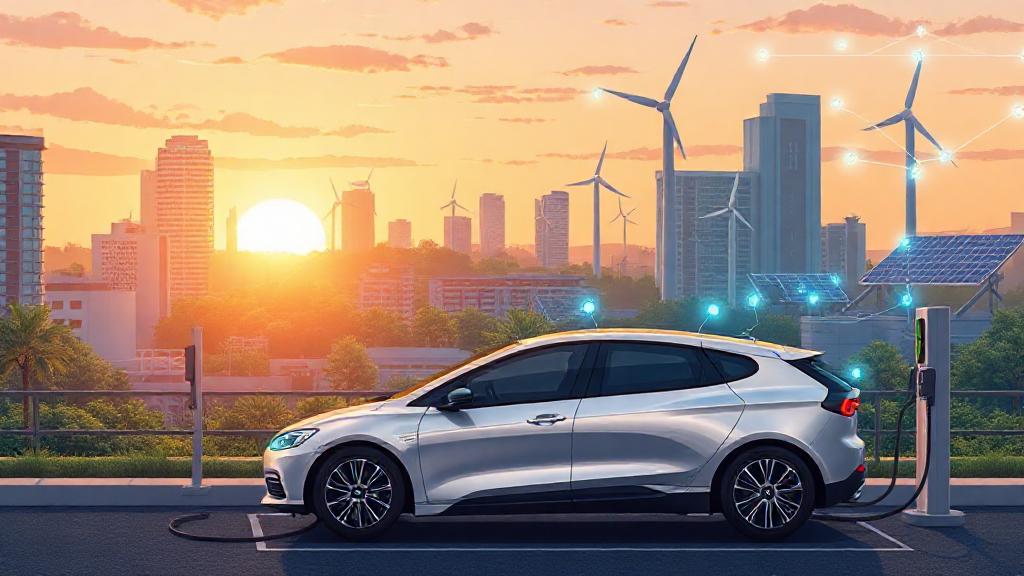
Vehicle-to-grid (V2G) integration is a revolutionary technology that enables electric vehicles to supply energy back to the grid, providing a range of benefits for renewable energy and electric vehicle adoption.
By allowing electric vehicles to act as energy storage devices, V2G integration can help stabilise the grid, reduce strain on renewable energy sources, and provide additional revenue streams for vehicle owners.
The implementation of V2G integration requires careful consideration of several key factors, including grid infrastructure, vehicle technology, and regulatory frameworks.
Maximising existing infrastructure is crucial for sustainable growth.
By leveraging these strategies, it is possible to unlock new opportunities for renewable energy and reduce carbon footprint, ultimately creating a more sustainable future.
Vehicle-grid integration is revolutionising the way we think about energy consumption and production.
The key to unlocking this potential lies in the development of advanced bidirectional charging systems.
The role of energy storage solutions cannot be overstated, as they are the linchpin that holds the entire system together, ensuring a seamless flow of energy between the vehicle and the grid.
As we move forward, it is exciting to think about the possibilities and the potential for widespread adoption of vehicle-grid integration.
Advances in technology have made it possible to increase efficiency and reduce energy waste in electric vehicle charging infrastructure.
The implementation of multiport converters and DC fast chargers is key to achieving this.
A notable example of this can be seen in countries like Norway, where widespread adoption of electric vehicles has been accompanied by investments in high-efficiency charging infrastructure.
The development of electric vehicle charging infrastructure has become a crucial aspect of the shift towards a more sustainable and environmentally-friendly transportation system.
Global standards and collaboration play a vital role in streamlining the process, enabling interoperability, and facilitating the widespread adoption of electric vehicles.
The establishment of unified standards for electric vehicle charging systems helps to ensure seamless communication between vehicles and charging stations, regardless of the manufacturer or location.
The integration of renewable energy systems and electric vehicle charging infrastructure is poised to revolutionise the way we think about energy.
With advancements in technology and infrastructure, we may soon find ourselves living in a world where energy is clean, abundant, and accessible to all.
Ultimately, the path ahead is bright, and the potential for a more sustainable tomorrow is limitless, powered by the collective efforts to harness the power of renewable energy.