- Login
- Sign Up

The valve is the unsung hero that harmonises the flow of fluids, gases, and other materials in industrial processes, ensuring a smooth and efficient performance.
However, a single misstep in valve installation or maintenance can throw the entire operation off-key, resulting in costly disruptions, safety hazards, and environmental damage.
In fact, it’s estimated that improper valve installation and maintenance can lead to losses of up to 10% of total production costs.
As the backbone of industrial processes, valves play a critical role in regulating pressure, temperature, and flow rates, making their proper installation and maintenance paramount to preventing accidents and optimising plant productivity.
By grasping the significance of valve installation and maintenance, industrial operators can avoid the discordant notes of downtime, repairs, and regulatory non-compliance, and instead, create a harmonious and profitable operational melody.
Optimising industrial valve installation is crucial for ensuring the reliability and efficiency of various industrial processes, as faulty installations can lead to significant downtime and financial losses.
The installation process involves a series of complex steps that require careful planning and execution to prevent errors and ensure optimal performance.
By following best practices and guidelines, industries can minimise the risk of valve failure and reduce maintenance costs.
The consequences of a single faulty valve installation can be catastrophic, leading to devastating accidents and environmental disasters.
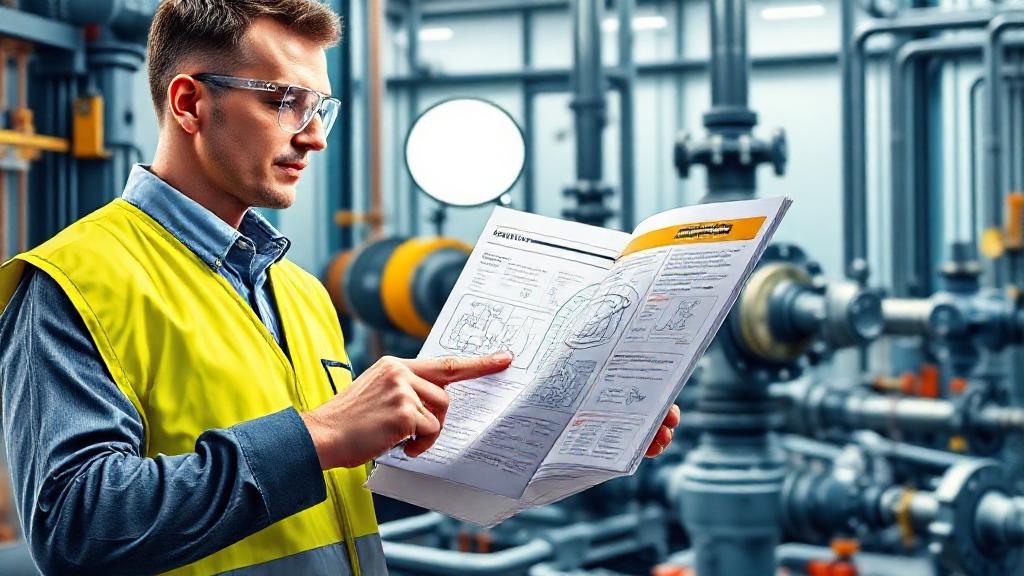
Following the manufacturer’s instructions is essential to ensure the valve functions correctly and safely, as they provide critical information on installation, maintenance, and troubleshooting.
These instructions are tailored to the specific valve model and type, taking into account its unique characteristics and requirements.
By adhering to these guidelines, industries can avoid common pitfalls and potential hazards, such as leaks, corrosion, or equipment damage.
Proper valve orientation is crucial in ensuring the safe and efficient operation of industrial systems, as it helps to prevent unnecessary wear and tear on the valve and surrounding components.
By carefully considering the flow direction, pressure ratings, and other factors, industries can minimise the risk of accidents and reduce maintenance costs.
Secure mounting techniques are also essential in preventing valve failures, as they help to withstand external forces and stresses that can cause the valve to become dislodged or damaged.
Creating a well-structured preventative maintenance schedule for industrial valves is crucial for ensuring the reliability and efficiency of industrial processes.
A well-planned preventative maintenance schedule anticipates the needs of the valves and adjusts the maintenance activities accordingly to create a flawless and efficient operation that is both cost-effective and reliable.
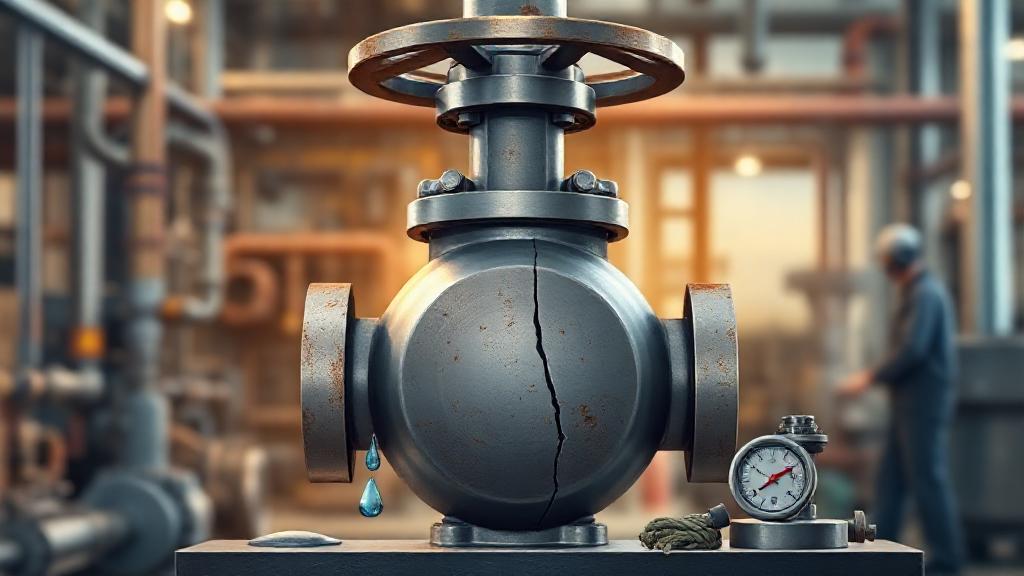
Valve leakage and failure can have significant consequences in industrial systems, including reduced efficiency, increased maintenance costs, and potential safety hazards.
To mitigate these risks, it is essential to understand the common causes of valve leakage and failure, such as wear and tear, corrosion, and improper installation.
Valve servicing is crucial for maintaining equipment efficiency and safety in various industries.
Regular maintenance of valves is crucial for preventing accidents and ensuring smooth operations.
A well-maintained valve can make all the difference — in terms of safety, efficiency, and cost savings.
Contrary to popular belief, reactive valve maintenance is not the most cost-effective approach, as it can lead to unforeseen downtime and increased repair costs.
A proactive approach can help reduce downtime by up to 50%.
The implementation of proper valve installation and maintenance practices is crucial for maximising industrial process efficiency, as it enables the optimisation of fluid flow, pressure, and temperature control, thereby reducing energy consumption and minimising downtime.
Proper valve installation and maintenance are key to industrial efficiency.
As we consider the intricate dance of industrial processes, it becomes clear that proper valve installation and maintenance are the unseen choreographers, ensuring a harmonious and efficient performance.
The consequences of neglecting these critical components can be dire, leading to a discordant symphony of leaks, accidents, and downtime.
In the ever-evolving landscape of industrial operations, the importance of meticulous valve installation and maintenance will only continue to grow, as companies strive to optimise productivity, minimise risks, and protect both their personnel and the environment.
Ultimately, the delicate balance of industrial processes hinges on the precise functioning of these often-overlooked heroes, serving as a poignant reminder that even the smallest detail can have a profound impact on the grand tapestry of industrial operations.
As we look to the future, one thing is certain: the humble valve will remain a vital linchpin, holding together the complex machinery of industry with precision and reliability.